Staring At The Ceiling: How Sarah Broke The 3 AM Sleep Cycle
The real story of a 42 year old accountant who spent years battling nocturnal racing thoughts, morning brain fog, and how she restored natural evening recovery.

The Breaking Point in the Quiet Hours
Her hands were cold, her mind was hot, and the glowing red ambient light from her nightstand confirmed what her body already knew: it was 3:17 AM. For the third time that night, Sarah rolled onto her back, staring up at the dark bedroom ceiling. She could hear the faint, steady breathing of her husband beside her, a peaceful rhythm that felt like a distant luxury she could not access.
In three hours, her alarm would sound. In four hours, she would be sitting in a high stakes financial review at work, expected to be sharp, articulate, and composed. Instead, her brain was running an unstoppable marathon. It replayed a minor comment from yesterday's staff meeting, itemized upcoming family expenses, and reminded her of tasks left unfinished on her desk.
By 6:30 AM, the alarm did not wake Sarah up. It merely rescued her from another cycle of shallow, fragmented drift sleeping. Standing in front of her bathroom mirror, she traced the dark purple half moons beneath her eyes with her thumb. Her skin looked pale and drawn, reflecting a deep physical exhaustion that makeup could no longer mask.

1. The Invisible Cost of Chronic Daylight Fatigue
Mornings had devolved into a survival routine. Double espresso before stepping out the door, another large coffee at her desk by 10:00 AM, and sheer willpower to push through afternoon deadlines. But willpower is a finite resource. By 2:00 PM, a heavy cognitive fog settled over her mind.
Tasks that usually required twenty minutes stretched into an hour. Simple decision making felt overwhelming. At home, the fatigue bled into her personal life. She found herself snapping at her kids over tiny spills and feeling too drained to engage with her husband in the evenings.

2. The Shelf of Broken Promises

Sarah had not accepted this misery passively. Over two years, her nightstand accumulated an array of remedies: heavy blackout curtains, sound machines, lavender room sprays, and over the counter sleep aids. While synthetic pills occasionally forced her unconscious, they left her feeling heavy, detached, and groggy the following morning, a sleep hangover that felt almost worse than the insomnia itself.
The Turning Point: Understanding Nighttime Chemistry
The turning point arrived during a casual Sunday morning coffee with her longtime friend Maya. Seeing Sarah struggle to focus, Maya shared her own past experiences with chronic sleep friction.
"You are trying to force your body to sleep when your central nervous system is still firing daytime alert signals," Maya explained. "When you are chronically stressed or busy, your evening neurotransmitter balance gets flipped. Your brain thinks it needs to stay on guard."

Rather than relying on heavy sedatives, Maya explained that the key was restoring the body's natural evening neurological signaling, giving the brain gentle botanical signals that it is safe to transition from active wakefulness into slow wave recovery.
That evening, Sarah spent hours researching how targeted natural nutrients support evening GABA and melatonin signaling without disrupting normal biological architecture. For the first time in years, she felt a quiet sense of hope.

3. Reclaiming Quiet Nights and Energetic Mornings
Sarah decided to support her evening routine with a natural signaling approach thirty minutes before bed. The transformation was not a sudden, unnatural knockout. It was far more subtle, gentle, and profound.


On the third night, she got into bed, turned off her lamp, and quietly drifted off. She did not wake up at 3:00 AM. She did not toss or turn. She slept continuously through the night until morning.
When her eyes opened at 6:30 AM, there was no brain fog, no heavy limb feeling, and no need for emergency caffeine. Her mind was quiet, clear, and energized.

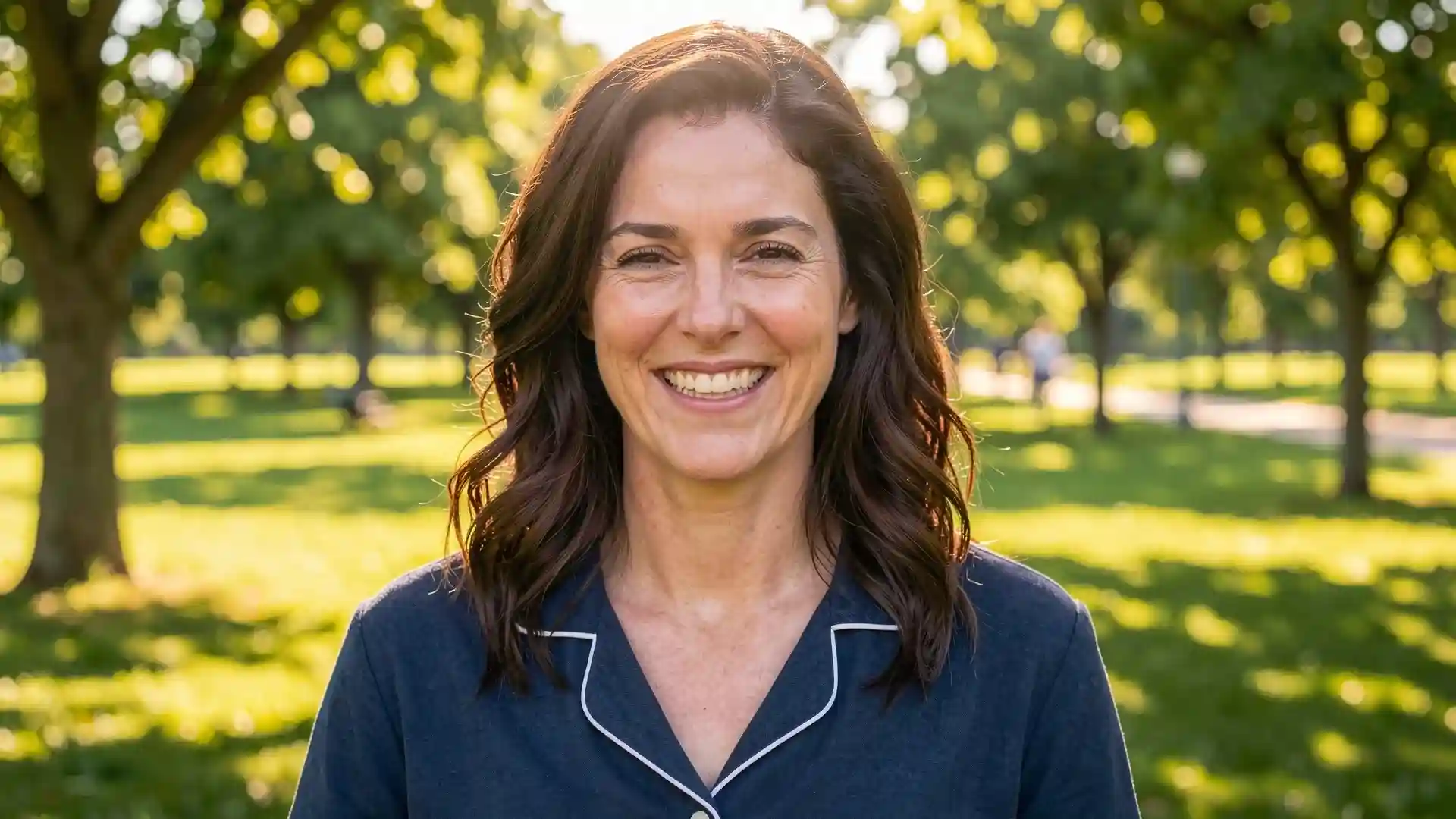
If you recognize your own story in Sarah's journey, staring at the ceiling, feeling exhausted yet wired, and searching for deep, restorative rest, know that your body has not forgotten how to sleep. It simply needs the right natural signals to turn off the daytime noise.
Access The Sleep Signaling Breakthrough Now >>